
Your Step-by-Step Guide to Setting Up a Successful Cafe in the UK
Written by Lee Hart
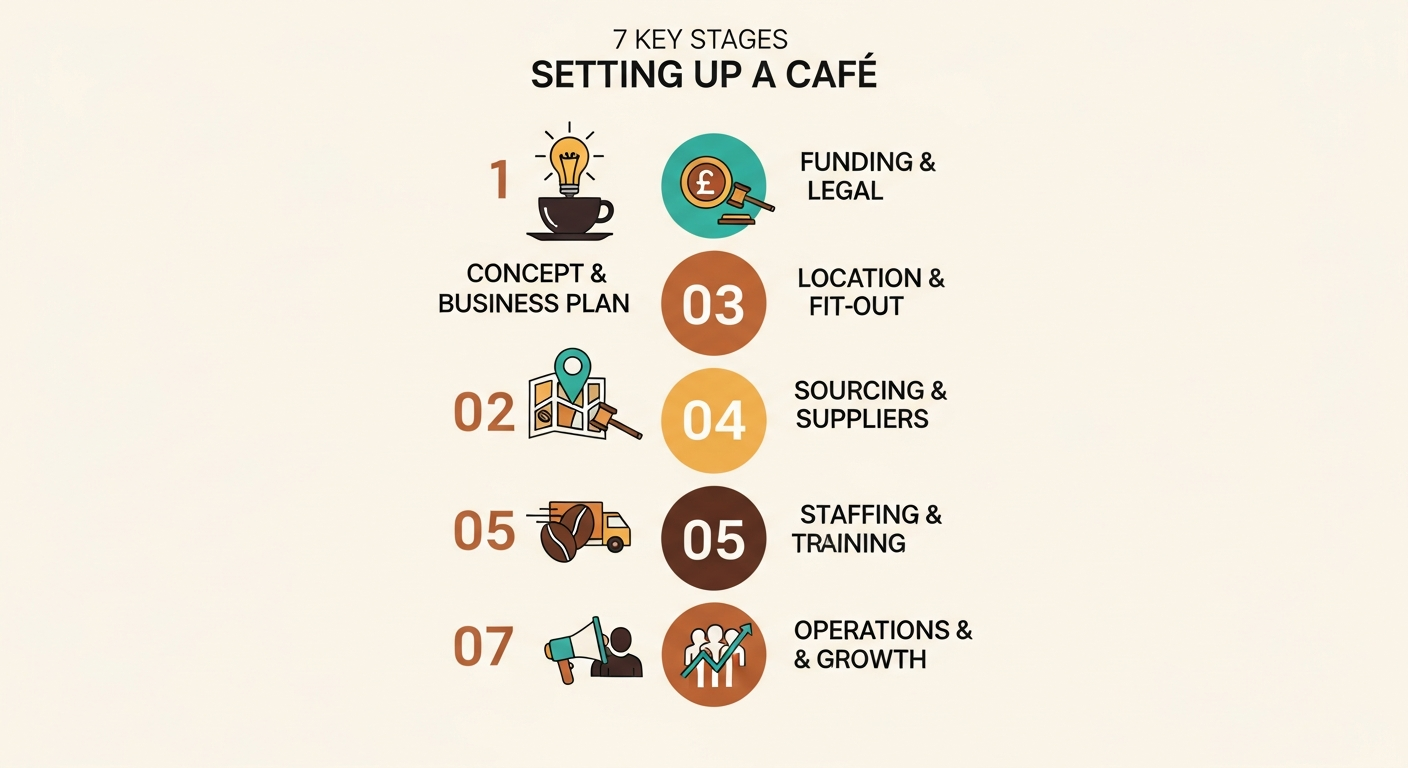
The 7 key stages to launching a successful cafe, from initial idea to long-term growth
The UK's passion for coffee is undeniable, with the market showing robust growth and an ever-increasing demand for quality brews and inviting spaces. For aspiring entrepreneurs, opening a successful cafe in the UK presents a compelling opportunity, blending the entrepreneurial spirit with the nation's thriving coffee culture. However, transforming a dream into a flourishing coffee shop requires meticulous planning, a deep understanding of the market, and adherence to a multitude of regulations. This comprehensive, step-by-step guide is designed to equip you with the knowledge and strategies needed to navigate the entire process, from initial concept and legal registration to operational excellence and long-term profitability. We will cover everything from securing the perfect location and sourcing essential coffee equipment, including a state-of-the-art espresso machine, to building a dedicated team and mastering customer service. By following this roadmap, you'll be well on your way to establishing a beloved and successful cafe that captures the hearts of your local community.
The Allure of the UK Cafe Culture
The UK's relationship with coffee has undergone a profound transformation. Once dominated by instant brews, the nation has enthusiastically embraced a sophisticated coffee culture, driving significant growth in the cafe sector. Today, an estimated 98 million cups of coffee are consumed daily across the UK, underscoring its integral role in daily life, whether as a morning ritual, a social gathering, or a productive workspace. This evolution has spurred a discerning consumer base that seeks not only high-quality beverages, especially speciality coffee, but also unique atmospheres and welcoming environments. The proliferation of independent cafes alongside established chains reflects this vibrant demand. A UK cafe is no longer just a place to grab a drink; it’s a community hub, a flexible workspace, and a cherished retreat, presenting a fertile ground for passionate entrepreneurs.
Who This Guide Is For (Entrepreneur, Startups)
This guide is meticulously crafted for a diverse audience eager to venture into the UK's dynamic cafe landscape. Whether you are a budding entrepreneur with a nascent idea, a startup team seeking a structured framework, or an established business looking to diversify into the hospitality sector, this resource is for you. We assume you possess a genuine passion for coffee and a commitment to providing excellent customer service, but may require detailed guidance on the intricate business, legal, and operational facets of launching and running a coffee shop specifically within the United Kingdom. Our aim is to provide you with the foundational knowledge, actionable steps, and strategic foresight necessary to successfully navigate the unique challenges and capitalise on the abundant opportunities presented by the UK market.
What You'll Learn: A Practical Roadmap to Success
This guide serves as your detailed roadmap to launching and operating a thriving UK cafe. By the end of this journey, you will possess a clear, actionable understanding of the entire cafe setup process, empowering you to:
- Identify and Validate Your Niche: Gain insight into the UK coffee market and effectively define a unique selling proposition (USP) that sets your coffee shop apart.
- Develop a Comprehensive Business Plan: Craft a robust business plan that acts as the foundational document for your venture, guiding strategic decisions and securing necessary funding.
- Navigate Legalities and Compliance: Understand the critical UK-specific requirements for business registration with Companies House, Food Standards Agency compliance, Food hygiene standards, and essential licensing.
- Secure Funding: Explore various avenues for financing your startup costs and initial investment.
- Select and Design Your Premises: Make informed decisions regarding location, optimising for foot traffic, and creating an inviting interior design and layout that enhances the customer experience.
- Source and Install Essential Equipment: Select and procure vital coffee equipment, including high-quality espresso machines, coffee grinders, and other necessary tools.
- Craft a Winning Menu and Pricing Strategy: Develop an appealing and profitable menu, incorporating speciality coffee and food offerings, with a smart pricing approach.
- Build and Manage Your Dream Team: Recruit, train, and retain skilled staff, including excellent barista training, while fostering a positive organisational culture.
- Implement Efficient Operational Systems: Establish smooth workflows, inventory management, and embrace technology for enhanced efficiency.
- Execute Effective Marketing and Branding: Drive awareness and build customer loyalty through targeted social media and marketing strategies.
- Manage Finances and Drive Profitability: Understand financial management, expense tracking, and strategies for long-term success.
Researching the UK Coffee Market & Niche
To establish a successful coffee shop in the UK, rigorous market research is paramount. The UK branded coffee shop market is substantial and continues to grow, with sales reaching £5.3 billion in 2023 and expanding to 10,199 outlets, a testament to a 9.2% sales growth Source: Coffee Hospitality Insights. This dynamic environment highlights both opportunity and intense competition. Your first critical step is to identify a niche that distinguishes your establishment. Consider what unique value you will offer: is it exceptional speciality coffee sourced from specific regions, a curated food menu reflecting a particular cuisine, a strong community focus, or a distinctive ambiance? Analyse current consumer trends, the offerings of existing competitors, and the demographic profile of your chosen area. A significant 70.1% of out-of-home coffee purchases in the UK are roast coffee, indicating a strong preference for quality and freshness [Source: Allegra World Coffee Portal]. Understanding these preferences will help you tailor your offerings and marketing efforts effectively.
Defining Your Unique Cafe Concept & Branding
Your cafe's concept is its core identity, the unique fusion of your offerings, atmosphere, and customer experience that will differentiate you in the competitive UK market. It's about crafting a narrative that resonates with your target audience. Are you envisioning a cosy neighbourhood retreat, a sleek, modern workspace, or a vibrant social hub? Your branding—encompassing your cafe's name, logo, interior design, music, and even staff attire—must visually and experientially communicate this concept. Developing a strong, cohesive brand identity is essential. Furthermore, consider the community aspect; a substantial 57% of consumers who prefer to shop with small businesses do so because they want their money to be spent within the community [Source: YouGov]. Positioning your cafe as a community cornerstone can foster significant customer loyalty and a sense of belonging. This initial conceptualisation will inform every subsequent decision, from menu development to marketing strategies.
Developing a Robust UK Business Plan
A comprehensive business plan is the indispensable foundation for any aspiring cafe owner in the UK. It serves as your strategic roadmap, clarifying your vision, outlining your operational and financial strategies, and is absolutely critical for securing any necessary funding. Your UK business plan should encompass several key components:
- Executive Summary: A concise overview of your cafe concept, mission, objectives, and projected success.
- Company Description: Detail your chosen business structure (e.g., sole trader, limited company registered with Companies House), your unique selling proposition, and your cafe's core values.
- Market Analysis: Conduct thorough research into the UK coffee market, identify your target customer demographics, analyse your competitors' strengths and weaknesses, and pinpoint market gaps or opportunities. This is where you'll assess foot traffic potential and local demand for speciality coffee.
- Organisation and Management: Outline your business structure, ownership details, and the key personnel involved in management, including their roles and experience.
- Service or Product Line: Detail your planned menu offerings, with a strong emphasis on the quality and variety of your coffee beans, filter coffee options, and any accompanying food items.
- Marketing and Sales Strategy: Define how you will attract and retain customers, including your social media and local marketing initiatives.
- Funding Request: Clearly state the amount of funding required, how it will be used, and your proposed repayment terms.
- Financial Projections: Develop realistic financial forecasts, including startup costs, operating expenses, revenue projections, and cash flow statements for at least three to five years. This section is crucial for demonstrating viability to lenders and investors.
Securing Funding for Your UK Cafe
Securing adequate funding is often the most significant hurdle for new cafe ventures in the UK. Your meticulously developed business plan is your most powerful tool in demonstrating your cafe's viability to potential lenders and investors. Several common funding avenues are available:
- Personal Savings: Investing your own capital demonstrates strong commitment and confidence in your venture, often a prerequisite for external funding.
- Bank Loans: Traditional business loans from UK banks require a robust business plan, often accompanied by collateral and a solid credit history. Lenders will scrutinize your financial projections and market analysis.
- Startup Loans: The UK government offers Startup Loans, providing unsecured loans of up to £25,000 with a fixed interest rate and a repayment term of one to five years, designed specifically for individuals starting a business.
- Grants and Schemes: Research specific grants and support schemes available for small businesses or the hospitality sector in the UK. Local authorities or industry bodies may offer relevant opportunities.
- Angel Investors or Venture Capital: For ambitious growth plans, private investors may provide significant capital in exchange for equity in your business. This route typically involves a higher growth potential and a more structured investment process.
- Crowdfunding: Platforms like Kickstarter or Seedrs allow you to raise smaller amounts from a large number of individuals, often offering rewards or equity in return for investment. This can also serve as a valuable market validation tool.
- Asset Finance: For purchasing coffee equipment such as an espresso machine or coffee grinders, asset finance or leasing can spread the cost over time.
-
Registering Your Business in the UK
Before you can legally operate your coffee shop in the UK, you must formally register your business. The choice of legal structure significantly impacts your tax obligations, personal liability, and administrative requirements. The most common options include:
- Sole Trader: This is the simplest structure to set up. You are considered self-employed, and your personal assets are liable for business debts. You will need to register with HMRC for Self Assessment tax returns.
- Partnership: If you are entering into business with one or more individuals, a partnership is an option. All partners share in the business's profits and liabilities. You will need a partnership agreement and register each partner with HMRC.
- Limited Company: Registering a limited company with Companies House creates a separate legal entity distinct from its owners. This offers limited liability, meaning your personal assets are protected from business debts. You must file annual accounts and confirmation statements with Companies House. You will also need to register for Corporation Tax and understand PAYE if you employ staff.
Selecting the appropriate structure is a crucial early step, aligning with your risk tolerance and long-term business objectives. Each option comes with distinct regulatory and tax implications that must be thoroughly understood.
Navigating Food Safety & Hygiene Regulations
Operating a food business in the UK mandates strict adherence to food safety and Food hygiene regulations to protect public health and build customer trust. Legally, you must register your food business with your local council at least 28 days before you commence operations. This registration process ensures that local authorities are aware of all food businesses operating in their area. You are legally required to implement a robust food safety management system, often built upon the principles of Hazard Analysis and Critical Control Points (HACCP). This involves systematically identifying potential food safety hazards at every stage of your operation—from ingredient sourcing to preparation and serving—and establishing rigorous controls to prevent or minimise these risks. Thorough staff training in Food hygiene is non-negotiable, covering areas like personal hygiene, safe food handling, and temperature control. Your premises will be subject to inspections by environmental health officers from the Food Standards Agency or your local council. Achieving and maintaining a high food hygiene rating is critical, as it significantly influences customer confidence and the overall reputation of your cafe. Crucially, you must also be prepared to provide clear and accurate Allergen information for all food and drink items served.
Essential Licences and Permits
Beyond business registration, your cafe will likely require various licences and permits to operate legally and efficiently. These vary depending on your specific location and planned activities:
- Planning Permission: If your cafe involves any external alterations to a property, such as installing new signage or changing its designated use class, you may need to obtain planning permission from your local authority.
- Building Regulations Approval: Any structural work, or significant alterations to electrical, plumbing, or ventilation systems must comply with current building regulations. This ensures the safety and integrity of your premises.
- Alcohol Licence: If you intend to serve alcoholic beverages, you will need a Personal Licence for an individual designated as the premises supervisor and a Premises Licence for the establishment itself, both obtained from your local council.
- Music Licence: Playing any recorded music within your cafe, whether for ambient background music or live performances, requires licences from Phonographic Performance Limited (PPL) and the Performing Right Society (PRS) for Music. These fees contribute to artists and copyright holders.
- Outdoor Seating Licence (Pavement Licence): If you plan to offer outdoor seating, such as tables and chairs on the pavement outside your cafe, you will need to apply for a Pavement Licence from your local council. Regulations and application processes can vary significantly between different local authorities.
Ensuring you have all necessary permits in place before opening is vital to avoid fines and operational disruption.
Insurance & Other Legal Requirements
Adequate insurance coverage is a non-negotiable aspect of running a cafe in the UK, protecting your business from potentially ruinous unforeseen events. Key insurances to consider include:
- Public Liability Insurance: This is fundamental for any customer-facing business like a coffee shop. It covers claims made by third parties (customers, suppliers, or the general public) for injury or property damage caused by your business operations. Without it, a single incident could lead to devastating financial repercussions.
- Employer's Liability Insurance: This is a legal requirement in the UK if you employ any staff, including part-time or temporary workers. It covers claims made by employees for illness or injury sustained during their work, ensuring they are compensated. Failure to have this insurance can result in substantial fines.
- Contents Insurance: This policy covers the physical assets within your cafe, such as your espresso machine, coffee grinders, furniture, stock, and other equipment, against damage, theft, or loss.
- Business Interruption Insurance: Should your cafe be forced to close temporarily due to an insured event (like a fire or flood), this insurance can help cover lost earnings and ongoing operational costs, such as rent and utilities, allowing you to resume trading more quickly.
- Product Liability Insurance: Complementary to public liability, this specifically covers claims arising from illness or injury caused by the food or drink you serve.
Beyond insurance, you must also comply with the Health and Safety at Work Act 1974, which places a general duty on employers to ensure the health, safety, and welfare of their employees and others affected by their business activities. This includes maintaining a safe working environment, providing adequate training, and managing risks effectively.
Choosing the Perfect UK Location
The selection of your cafe's location is arguably the single most critical factor influencing its success. A prime spot can guarantee steady foot traffic, while a less opportune one can lead to a constant struggle for customers. When evaluating potential sites:
- Footfall and Visibility: Prioritise areas with high pedestrian volume and excellent visibility. Busy high streets, locations near major transport hubs (train stations, bus depots), or within popular retail districts are often ideal. Consider the flow of people at different times of day and week.
- Demographics and Target Audience: Does the local population's age, income, lifestyle, and employment status align with your intended customer base? Analyse the presence of local businesses, residential areas, and student populations that might frequent your coffee shop.
- Accessibility: Ensure the location is easily accessible for all potential customers, including those using public transport, driving, or walking. Consider accessibility for individuals with disabilities.
- Competition Analysis: Research existing cafes in the vicinity. While some competition can indicate a strong coffee culture, an oversaturated market may prove challenging. Identify any gaps in the market or opportunities to offer a differentiated product or service.
- Rent and Lease Terms: Rent is a significant operational cost. Negotiate favourable lease terms and ensure the rent is sustainable within your projected revenue. Consider the length of the lease and any clauses regarding rent reviews or break options.
- Premises Suitability: Assess the size, layout, and condition of the premises. Does it have adequate space for seating, a counter area, back-of-house operations, and storage? Are there existing infrastructure requirements like plumbing and electrical points suitable for coffee machines?
Designing Your Cafe's Interior & Layout
Your cafe's interior design and layout are instrumental in shaping the customer experience and reflecting your brand concept. A well-designed space not only looks appealing but also functions efficiently for both customers and staff.
- Layout Optimisation: Plan the flow of movement meticulously. From the customer's initial entry, through the ordering process at the counter, to comfortable seating areas and accessible restrooms, clear pathways are essential. Offer a variety of seating options to cater to different needs—cosy corners for intimate conversations, communal tables for groups, and individual spots for those working or reading.
- Ambiance Creation: Leverage lighting, colour schemes, music, and decor to create a distinct and welcoming atmosphere. The right ambiance encourages customers to linger, enjoy their experience, and return. Whether aiming for a chic modern feel or a rustic charm, ensure consistency with your brand.
- Functional Design for Staff: The design must also be practical for your team. The counter area should be optimised for efficient order taking, payment processing, and beverage preparation. The back-of-house space needs to be well-organised for storage, food preparation, and cleaning, ensuring smooth operations.
- Customer Comfort: Comfortable seating, adequate heating and cooling, and clean, well-maintained facilities are paramount. Even small details, like accessible power outlets for charging devices, can significantly enhance the customer experience.
- Aesthetics and Branding: The interior design should be a tangible manifestation of your cafe's brand. This might include showcasing local art, incorporating natural materials, or using branding elements subtly throughout the space.
Sourcing & Installing Essential Equipment
Investing in high-quality, reliable coffee equipment is crucial for delivering consistent quality and ensuring operational efficiency. This investment directly impacts the taste of your coffee and the speed of service.
- Espresso Machine: This is the heart of any speciality coffee shop. Choose a commercial-grade espresso machine that aligns with your projected volume, budget, and desired features. Consider factors like boiler size, group heads (single or double), steam wand power, and ease of maintenance. A quality espresso machine is fundamental for producing excellent espresso-based drinks.
- Coffee Grinders: Professional-grade coffee grinders are as vital as the espresso machine. You'll need separate grinders for espresso (with micro-adjustment capabilities for grind size) and filter coffee. Consistent grind size is key to achieving optimal extraction and flavour.
- Brewing Equipment: Depending on your menu, you might also need equipment for filter coffee methods such as pour-over stations (e.g., V60, Chemex), French presses, or batch brewers.
- Refrigeration: Commercial refrigerators and freezers are essential for safely storing milk, perishable food ingredients, and any pre-prepared items.
- Ovens and Microwaves: For preparing or heating food items like pastries, sandwiches, or light meals, you'll need appropriate cooking appliances.
- Dishwashers: Commercial-grade dishwashers are vital for maintaining hygiene standards and ensuring a steady supply of clean cups and utensils.
- Point of Sale (POS) System: A modern POS system is indispensable for efficiently taking orders, processing payments, managing inventory, and tracking sales data. Consider systems that integrate with other technologies.
- Water Filtration: High-quality water filtration systems are crucial, as water quality significantly impacts coffee flavour.
Proper installation, regular maintenance, and barista training on using this equipment effectively are essential for maximising their lifespan and performance.
Integrating Sustainability into Your Setup
Sustainability is increasingly important to UK consumers, with over half (50%+) stating that environmental factors influence their purchasing decisions [Source: Global Web Index]. Integrating eco-friendly practices from the outset positions your cafe as responsible and modern.
- Energy Efficiency: Opt for energy-efficient appliances and LED lighting. Smart meters can help monitor and manage energy consumption effectively.
- Water Conservation: Install low-flow taps and consider water-saving fixtures in restrooms.
- Waste Management: Implement a comprehensive recycling program for paper, glass, plastic, and food waste. Explore composting options for organic waste. Minimise single-use items where possible.
- Sustainable Sourcing: Prioritise suppliers who offer ethically sourced coffee beans, locally produced ingredients, and eco-friendly packaging. Supporting local producers reduces your carbon footprint and benefits the local economy.
- Material Choices: When fitting out your cafe, use recycled, reclaimed, or sustainably sourced materials for furniture, decor, and building elements where feasible.
- Reducing Single-Use Plastics: Offer reusable cups and consider discounts for customers who bring their own takeaway cups. Explore biodegradable or compostable options for necessary disposables.
Crafting a Winning UK Cafe Menu
Your menu is the primary product offering of your coffee shop, and it must be both appealing to customers and profitable for your business. It should align seamlessly with your cafe's concept and brand identity.
- Coffee Focus: Given the UK's discerning palate, high-quality coffee must be central. Offer a diverse range of espresso-based drinks, expertly brewed filter coffee, and potentially unique seasonal specials. Clearly articulate the origin, flavour profiles, and brewing methods of your coffee beans to educate and entice your customers. Highlighting speciality coffee options can attract connoisseurs.
- Food Offerings: Complement your coffee with a well-curated selection of food items. This could range from freshly baked pastries and cakes to artisanal sandwiches, vibrant salads, or light lunch options. Consider your target audience's dietary needs and preferences, such as offering vegan, gluten-free, or other allergen-friendly choices.
- Quality and Simplicity: It's often more effective to excel at a few signature items than to offer a vast menu with inconsistent quality. Focus on using fresh, high-quality ingredients.
- Menu Design: Present your menu in a clear, attractive, and easy-to-read format. Consider visual appeal, clear descriptions, and logical organisation. Your menu design should reflect your brand's aesthetic. This is also where Allergen information must be clearly displayed or readily available.
Developing a Smart Pricing Strategy
Establishing the right pricing strategy for your menu items is crucial for both profitability and customer perception. It requires a delicate balance between covering costs, achieving profit margins, and remaining competitive.
- Cost Analysis: Meticulously calculate the exact cost of ingredients for every menu item. This involves understanding portion sizes and supplier prices. Factor in indirect costs such as labour, rent, utilities, and waste.
- Competitor Benchmarking: Research the pricing of similar items at competing cafes in your area. While you don't necessarily need to be the cheapest, your prices should be justifiable based on your quality, service, and overall customer experience.
- Perceived Value: Price items not solely on their cost, but also on the perceived value they offer to the customer. This includes the quality of ingredients, the skill involved in preparation (e.g., complex latte art or slow-brew filter coffee), and the overall dining environment.
- Profit Margins: Ensure each menu item contributes a healthy profit margin to your business. Coffee, in particular, often offers strong margins when priced strategically, especially premium speciality coffee offerings.
- Tiered Pricing: Offer different sizes or variations of popular items at distinct price points to cater to a wider range of budgets and preferences.
- Psychological Pricing: Consider strategies like ending prices in .99 or .95, which can subtly influence customer perception of value. However, use these judiciously and ensure they align with your brand image.
Building Your Dream Team
Your staff are the frontline ambassadors of your coffee shop, directly impacting the customer experience and the overall success of your business. Recruiting the right individuals and cultivating a positive, supportive work environment is therefore paramount.
- Essential Roles: You will likely need skilled baristas who can craft excellent coffee and engage with customers, as well as front-of-house staff for order taking, serving, and maintaining the cafe's ambiance. Depending on your menu, you may also require kitchen staff for food preparation.
- Recruitment Strategy: Advertise vacancies through multiple channels, including industry-specific job boards, social media, and local community networks. Conduct thorough interviews that assess not only technical skills but also personality, attitude, and reliability. Practical assessments, such as trial shifts, can offer valuable insights.
- Comprehensive Training: Invest significantly in training programmes. This includes essential barista training to ensure consistent quality in beverage preparation, training on food safety and hygiene, and in-depth instruction on your cafe's specific brand values, customer service standards, and operational procedures. Ongoing training ensures your team stays updated and motivated.
- Defining Roles and Responsibilities: Create clear job descriptions and outline specific job responsibilities for each role. This sets expectations and ensures accountability.
- Staffing Levels and Working Hours: Determine optimal staffing levels based on projected foot traffic and peak trading times. Manage working hours fairly and in compliance with employment law.
Fostering a Positive Organisational Culture
A positive work culture is the bedrock of a successful and sustainable business. It directly influences employee morale, productivity, retention rates, and the quality of customer service.
- Open Communication: Establish clear, transparent, and open lines of communication between management and staff. Regular team meetings, one-on-one check-ins, and accessible feedback channels are vital.
- Fair Treatment and Respect: Ensure all staff members are treated with respect, fairness, and dignity. Implement clear, consistent policies and procedures that apply to everyone equally.
- Teamwork and Collaboration: Encourage a sense of camaraderie and mutual support among your team. Foster an environment where staff feel comfortable helping each other and working collaboratively towards shared goals.
- Recognition and Rewards: Actively acknowledge and reward good performance and dedication. This can range from verbal praise and public recognition to performance-based bonuses or opportunities for professional development. Implementing strategically considered staff discounts can also boost morale.
- Empowerment and Autonomy: Where appropriate, grant staff a degree of autonomy and empowerment. Allowing them to make decisions and contribute to problem-solving fosters a sense of ownership and responsibility.
- Professional Development: Provide opportunities for staff to learn new skills and advance their careers within your organisation. This demonstrates investment in your team and can lead to increased loyalty and capability.
Building Pre-Opening Buzz
Generating anticipation before your cafe officially opens its doors is a strategic imperative. This "buzz" creates initial excitement and ensures you have a ready audience eager to visit on day one.
- Visible "Coming Soon" Signage: Make your premises a talking point with attractive, informative signage that announces your upcoming opening. Include your cafe's name, brand logo, and perhaps a hint at your concept or opening date.
- Social Media Teasers: Begin building your online presence well in advance. Use platforms like Instagram, Facebook, and TikTok to share behind-the-scenes glimpses of the renovation process, menu development, and introductions to your team. Engaging visuals, short videos, and relevant hashtags are key to capturing attention.
- Local Partnerships and Community Engagement: Connect with other local businesses, community groups, and influencers in your area. Explore opportunities for cross-promotional activities, joint events, or sneak peeks to build local awareness and foster goodwill. Mentioning your cafe in community hubs like My Community platforms can also be beneficial.
- Launch Event: Plan a special opening event designed to attract local residents, press, and influencers. Offer complimentary samples, exclusive opening day discounts, or giveaways to generate excitement and positive word-of-mouth.
- Email List Building: Encourage early sign-ups for an email newsletter via your website or social media. This allows you to communicate directly with interested individuals, providing updates and exclusive offers.
Effective Marketing & Branding
Consistent and strategic marketing is vital for driving ongoing footfall, building brand recognition, and fostering enduring customer loyalty for your coffee shop.
- Social Media Marketing: Maintain an active and engaging presence on relevant social media platforms. Share high-quality, visually appealing content showcasing your coffee, food, and cafe atmosphere. Run targeted advertising campaigns to reach new audiences within your geographic area. Engage actively with your followers by responding to comments, messages, and running contests.
- Local SEO and Online Directories: Ensure your cafe is accurately listed on Google My Business and other local online directories. Optimise your listings with up-to-date information, high-quality photos, and actively encourage customers to leave reviews. This improves your visibility in local searches.
- Loyalty Programs: Implement a well-structured loyalty program to reward your repeat customers and encourage increased spend. This could be a traditional 'buy ten, get one free' stamp card or a more sophisticated digital points-based system.
- Public Relations and Local Media: Reach out to local newspapers, lifestyle blogs, and community magazines to feature your cafe's opening, unique offerings, or any special events.
- In-Cafe Promotions: Utilise in-cafe signage, table tents, and staff interactions to promote special offers, new menu items, or upcoming events.
- Email Marketing: Leverage your email list to communicate directly with loyal customers, sharing news, special offers, and event invitations.
Creating an Unforgettable Customer Experience
Exceptional customer service is the cornerstone of any successful cafe, transforming a simple transaction into a memorable and positive interaction. It's about creating an environment where customers feel valued and welcomed, encouraging them to return time and again.
- Warm Welcome: Greet every customer warmly as they enter your establishment. A friendly smile and a genuine welcome set a positive tone from the outset.
- Attentive and Proactive Service: Your staff should be present, friendly, and efficient without being intrusive. Train your team to anticipate customer needs, such as offering a menu or asking if they require assistance.
- Product Knowledge: Ensure your staff, particularly your baristas, possess comprehensive knowledge of your coffee offerings, menu items, and ingredients. They should be able to confidently answer questions about coffee beans, brewing methods, and Allergen information.
- Personalisation: Make an effort to remember regular customers' names and their usual orders. This personal touch builds rapport, fosters a sense of belonging, and is a powerful driver of customer loyalty.
- Effective Problem Resolution: Handle any customer complaints or issues calmly, professionally, and empathetically. Focus on finding a satisfactory solution that leaves the customer feeling heard and valued, turning a potentially negative experience into a positive one.
- Atmosphere Enhancement: The overall ambiance, created by your interior design, cleanliness, music, and staff interactions, is a critical component of the customer experience. A comfortable, inviting, and well-maintained space encourages customers to relax and enjoy their visit.
Establishing Efficient Operational Systems
Implementing efficient operational systems is key to ensuring your cafe runs smoothly, minimising errors, maximising output, and freeing up staff to focus on delivering excellent customer service.
- Inventory Management: Develop a robust system for accurately tracking stock levels of all items, including coffee beans, milk, food ingredients, and disposables like takeaway cups. Regular stocktakes are essential to prevent stockouts, minimise waste, and control costs.
- Supplier Relationships: Cultivate strong, reliable relationships with your suppliers to ensure consistent quality and timely deliveries. Negotiate favourable terms and regularly monitor pricing to manage your cost of goods sold.
- Opening and Closing Procedures: Standardise detailed checklists for all opening and closing routines. This ensures consistency in preparation, security, and readiness for service, reducing the likelihood of errors or oversights.
- Cleaning Schedules: Maintain rigorous and regular cleaning schedules for all areas of the cafe, from the customer seating and restrooms to the kitchen and counter areas. This is critical for Food hygiene and maintaining a pleasant environment.
- Health and Safety Protocols: Continuously reinforce and monitor adherence to all health and safety protocols, including those related to fire safety, accident prevention, and food handling. This is essential for staff and customer well-being and legal compliance under the Health and Safety at Work Act.
- Workflow Optimisation: Regularly review and refine your operational workflows, such as order taking, drink preparation, and food assembly, to identify and eliminate bottlenecks and improve efficiency. This might involve integrating kitchen display systems (KDS) for better order management.
Managing Finances & Bookkeeping
Effective financial management is not merely about tracking income; it's about understanding your cafe's financial health, making informed decisions, and ensuring long-term viability and profitability.
- Sales Tracking and Analysis: Utilise your Point of Sale (POS) system to meticulously track sales data daily, weekly, and monthly. Analyse best-selling items, peak trading periods, and average customer spend to inform purchasing, staffing, and marketing decisions.
- Expense Management: Maintain detailed records of all expenses, from ingredient costs and utilities to rent, insurance premiums, and staff wages. Tools like ANNA Money can significantly simplify this process by offering integrated expense tracking and VAT filing capabilities.
- Cash Flow Management: Closely monitor your cash flow to ensure you have sufficient funds to meet your financial obligations, such as supplier payments and payroll. Consider using accounting software to project and manage cash flow effectively.
- Tax Obligations: Understand your tax responsibilities as a UK business. This includes registering as Tax payers, handling VAT (Value Added Tax) if your turnover exceeds the threshold, and managing PAYE (Pay As You Earn) for employees. Working with an accountant experienced in the hospitality sector is highly recommended.
- Profitability Review: Regularly analyse your profit and loss statements and balance sheets. Identify areas where costs can be reduced without compromising quality, and explore strategies to increase revenue and boost profit margins. This includes understanding the profitability of different income streams.
Embracing Technology for Enhanced Efficiency
Technology offers powerful solutions for streamlining operations, improving accuracy, and enhancing the customer experience in your cafe.
- Point of Sale (POS) Systems: Modern POS systems are far more than basic transaction processors. They can manage inventory levels, track sales trends, facilitate customer loyalty programs, and integrate with online ordering platforms, providing valuable data insights.
- Online Ordering & Delivery Platforms: Partnering with third-party delivery services or implementing your own online ordering system can significantly expand your reach and revenue streams, catering to customers who prefer convenience.
- Kitchen Display Systems (KDS): Implementing KDS can improve order accuracy and speed in busy kitchens by replacing paper tickets with digital displays, optimising workflow and communication between front-of-house and back-of-house.
- Staff Scheduling Software: Efficiently create staff rotas, manage holiday requests, and track working hours to optimise labour costs and ensure adequate coverage during busy periods.
- Payments Platforms: Integrating modern Payments platform solutions, such as contactless payment systems or mobile payment options, enhances transaction speed and customer convenience. Services like My Community can also offer integrated payment solutions.
- Expense Tracking and Accounting Software: Tools like ANNA Money and dedicated accounting software can automate expense tracking, invoicing, and VAT filing, saving time and reducing the risk of errors. Utilising virtual office services can also help manage administrative tasks, such as receiving mail at a professional London business address with mail forwarding services.
Cultivating Customer Loyalty & Feedback
Repeat customers are the lifeblood of any successful cafe. Building strong customer loyalty goes beyond a simple loyalty card; it involves creating a consistent, positive experience that makes customers feel valued and inclined to return.
- Consistent Quality: Ensure your coffee, food, and overall service remain consistently high-quality. This is the fundamental basis for customer satisfaction and repeat business.
- Exceptional Service: Continue to prioritise outstanding customer service. Ongoing barista training and fostering a positive organisational culture are vital
About The Author

Lee Hart

